The Water You Swim In
August 5, 2026
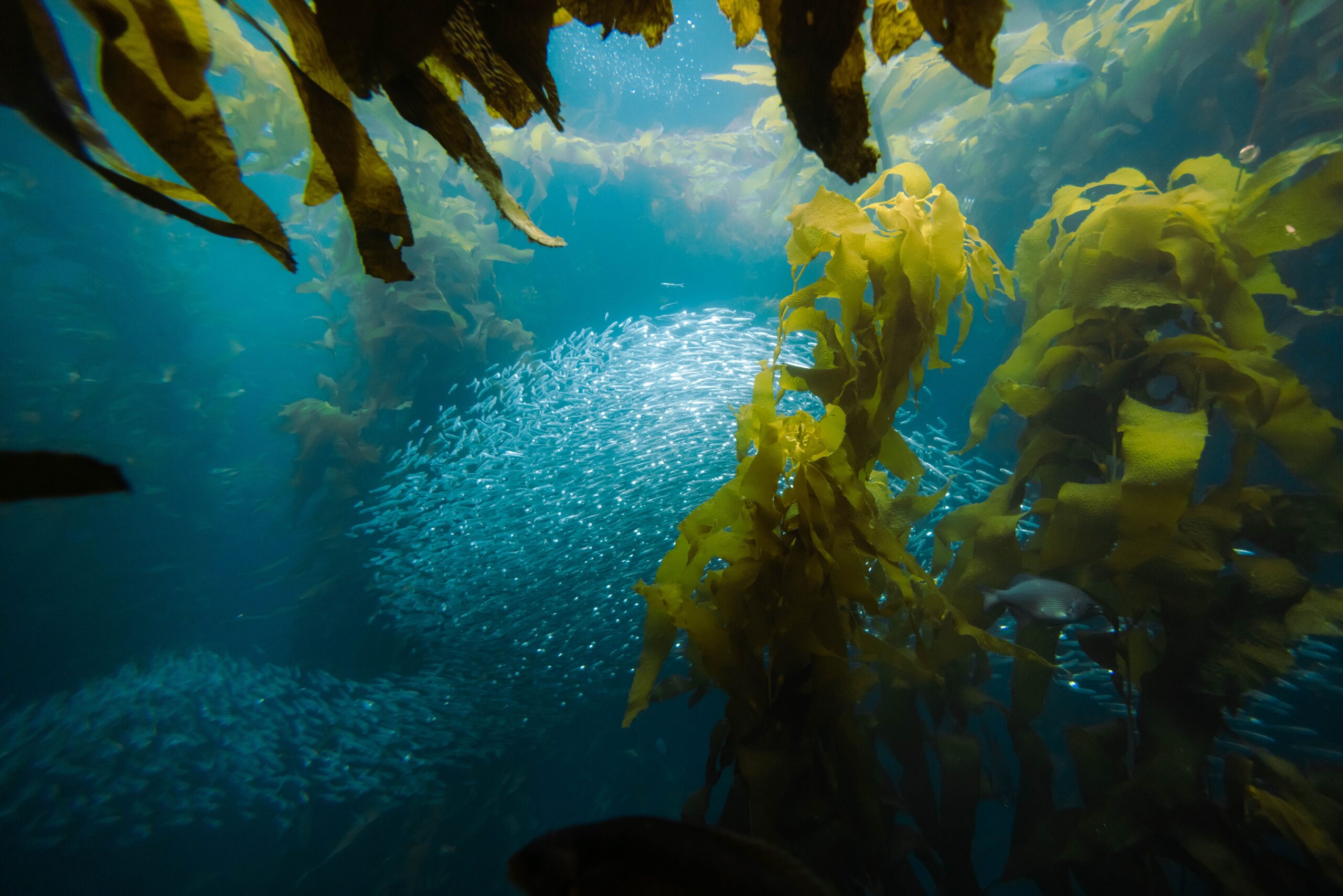
Fish don’t notice water. It’s just something they know to be there. It’s not until the water changes in a way that negatively impacts the fish that it becomes something to be concerned with. The current shifts, and the fish don’t want to go that way. The temperature fluctuates, and the fish know they can’t survive in the cold that has overtaken their environment. The pollution is overwhelming, and their gills begin to clog with oil, suffocating them, so they flee to cleaner waters.
Our lives are like the water. We don’t really notice life’s ebb and flow until it becomes undesirable, unsavory, or even dangerous. When we notice something we want to change, it is often easiest to begin with the forces furthest outside our control. Many of those forces are real, deeply rooted, and responsible for shaping the conditions of our lives. But understanding what has shaped us is not the same as identifying where we still have room to shape our own lives. When medical conditions create hardships in our day-to-day lives, a diagnosis can feel like a declaration that nothing can change. Our brains may default to resignation because searching for what remains possible takes energy we may already be short on. But what happens when we acknowledge these hardships for what they are – hard – and begin looking for the choices that are still available to us?
Noticing becomes more difficult when the pain points are closer to us. People-pleasing behaviors, learned definitions of success (over-productivity), inherited narratives of “where we’re supposed to be by X age” (burnout), our phone and tech habits, our vices, and internalized beliefs about ourselves, are all much bigger waves to surf. These can be much rougher waters to navigate because it is easier to name capitalism and any other oppressive system as the problem than it is to examine all the ways these system’s values have taken root inside us (which trust me, I love doing, too). These are more daunting to tackle, because we actually have some power to reshape them in service of the lives we want. But that takes work. And we spend so much time actually working – family, jobs, relationships – that when it comes to facing this inner work, it feels almost insurmountable. That’s the system’s design. Wear you down with societal expectations of all flavors and sizes and the act of chasing money, so you buckle and spend your one precious life building wealth for some billionaire who doesn’t care if you live or die, and you’re too tired to rebel against it, even quietly, even within your own life. It is a harsh reality. Thankfully, noticing is one of the few powerful tools that asks for no money, permission, or perfect circumstances.
For example, I didn’t notice how often I reached for my phone for no reason other than force of habit. Until I did. I didn’t notice I never rested without guilt until someone asked me what I did for fun. Until I did. These small acts of noticing, clocking the moment and storing the information away to process later, changed my life fundamentally. The curse of ADHD, of course, was that I would forget the things I had noticed as soon as I walked through a doorway, which made processing it later no easy task. But once I had a few things stick in my brain that I couldn’t shake, the practice of noticing became easier. Why can’t I stop replaying this conversation in my head? Because the feeling it left me with is something I don’t want to feel. Why can’t I go a day without social media? Because I’m using it to numb the uncomfortable feelings. Why can’t I enjoy my passions anymore? Because I can’t get off this damn phone.
Everything was linked. Noticing the water – my life under patriarchal capitalism as a queer woman with late-diagnosed ADHD – wasn’t difficult, but it wasn’t life-altering, either. What changed my life was recognizing how that water moved through me: the moments I hyper-focused on, the emotions I repressed, and the noise I used to suffocate them. Those were things I had some power to change. If I could name the patterns, I could begin to change them.
But then there was the shame and guilt of noticing these things… Why did I let myself get so out of touch? How much of my life have I wasted? Where could I have gone in life had I just had some discipline? How can I stay informed or do my job if I don’t have social media? This is where many of us retreat, understandably. Instead of treating what we’ve noticed as information, shame turns it into evidence against us.
But this shame/regret/guilt cycle changes with time as well, and honestly, with more noticing. Which sounds redundant, I know, but if it works, it works. Shifting our attitudes around shame and guilt is a topic for another entry, but knowing that it is natural for these things to come up when you start to notice what you want to change about your life helps with moving forward to action. If you know the current may pull against you, you’re less likely to mistake resistance for failure.
Fish may not notice the water itself, but they respond when the current changes. The water around us may not always be ours to control, either. But once we notice the current, we can stop mistaking the direction it carries us for the direction we chose – and begin deciding how we want to swim.
Be the first to comment